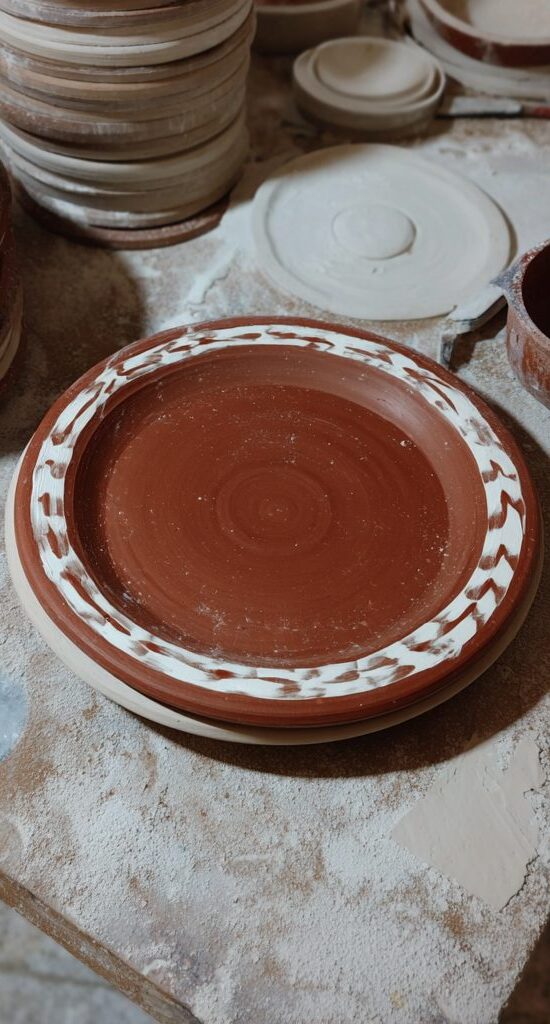
Why We Offer Red Clay To Our HORECA Customers
A hotel or restaurant does not need another dinner service. It needs a few moments on its table that guests remember and photograph. That is the narrow, deliberate job we give red clay.
We do not replace a service
Almost every professional kitchen we speak to already owns a white service that works: stackable, replaceable, dishwasher-hardened, ordered by the crate. We are not asking anyone to give that up. Red clay enters at three or four points where the table is being looked at rather than merely used.
- Meze, cold starters and sharing plates. The part of the meal guests build themselves, and the part they photograph most.
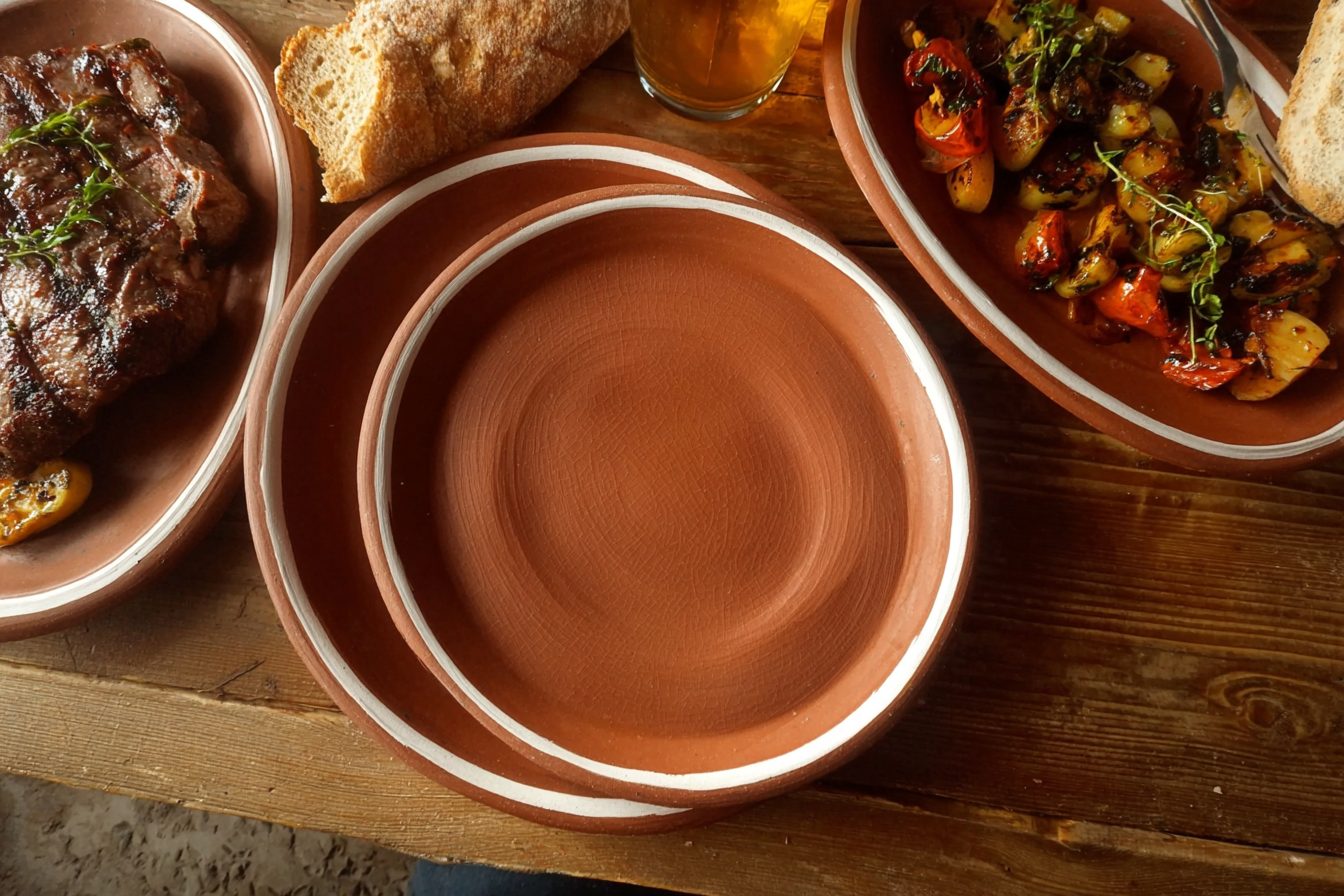
- The hero main. One dry-aged cut, one whole fish, one slow-roasted vegetable dish, staged on a wide well with a calm rim.
- Dessert. A narrow rim and, where it helps, a white band that lets sugar, cream and fruit read clearly against the clay.
- Coffee and the after-dinner ritual. The one piece a guest holds in both hands.
What it does for the room
Rooms are increasingly read before they are visited. A guest scrolls, stops on one image, and decides something about the place in under a second. Red clay photographs with depth: matte body, glossed well, a shadow line at the rim, and a colour that does not blow out under warm light. A white plate in the same frame records the food correctly and says nothing about the house.
That is the strategic argument for a small, expensive-to-produce group of pieces. Not that they are cheaper — they are not. That they are the part of the table that carries the brand.
Honest about operations
Handled by service staff, at moderate volumes, on curated courses — that is where this material belongs. High-volume banquet turnover, tray-stacked transport and aggressive rack washing are not what it was made for, and we say so before the order rather than after the first breakage.
Practical rules we give every kitchen: never move a piece straight between extreme temperatures; stack with cloth or felt between pieces; hand wash while we are still testing together; keep a small reserve of each shape, because hand-finished pieces are replaced in batches, not from a warehouse shelf.
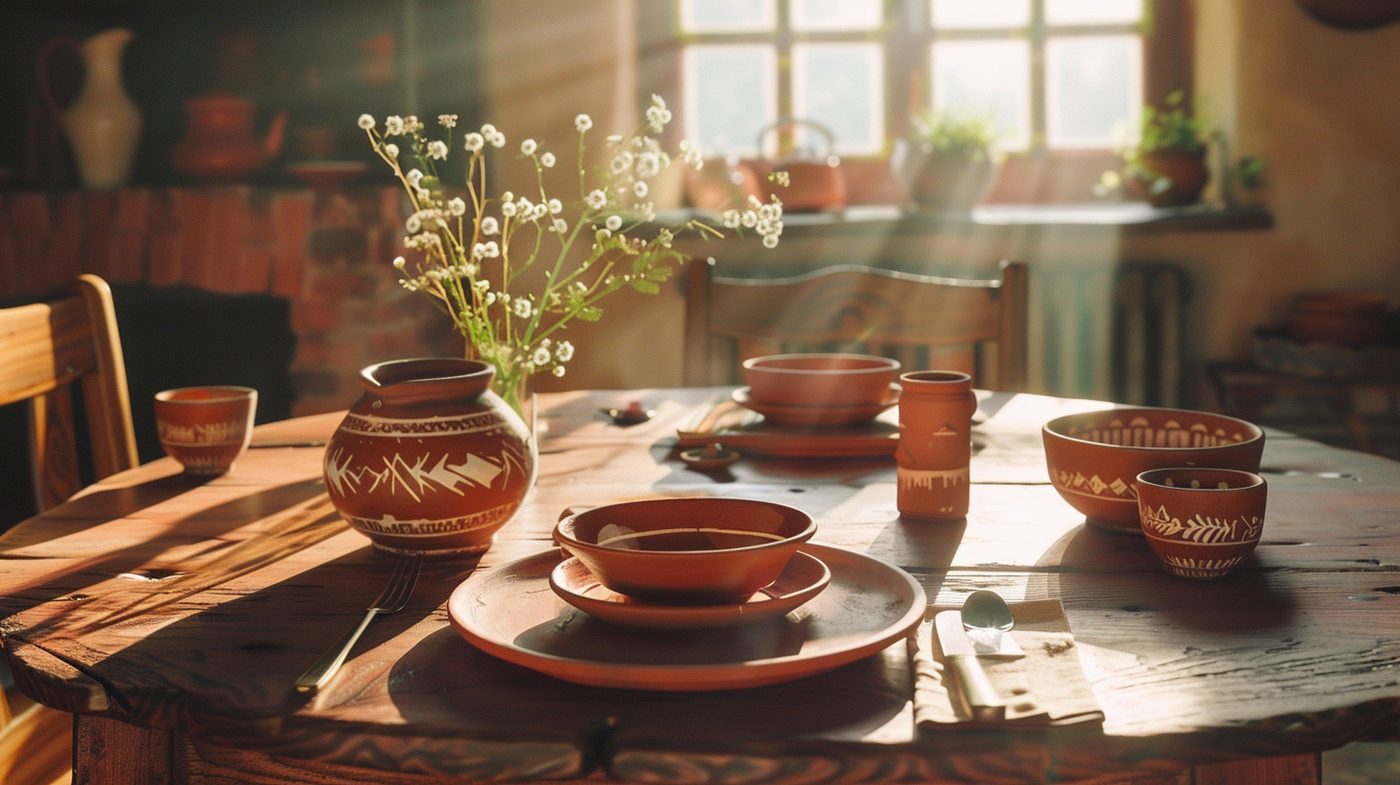
How a partnership actually starts
A twenty to thirty minute conversation about your menu and your service style. A sample set of twelve to eighteen pieces, chosen against your own dishes. A testing period under real conditions. Only then a production plan, in batches, with the shapes that survived your pass.
CERAMICA NICEA works from a single atelier in İznik. Project enquiries: projects@ceramicanicea.com · +90 541 604 38 73. Everything begins with a sample set on your own table, under your own service.